When a home starts to feel tight, the feeling rarely arrives all at once. It builds slowly. A nursery becomes a shared bedroom, the dining table doubles as a desk, and the garage fills with everything that no longer fits inside. At some point you find yourself standing in a room that used to be enough, wondering whether it still is. That is usually the moment the question surfaces: is a home addition worth it, or is it time to do something else entirely?
It is a fair question, and an important one. A home addition is among the larger decisions a homeowner will make, both financially and in the way daily life unfolds while the work is underway. Before you can answer it well, it helps to slow down and look at what you are actually deciding.
Why homeowners start weighing an addition
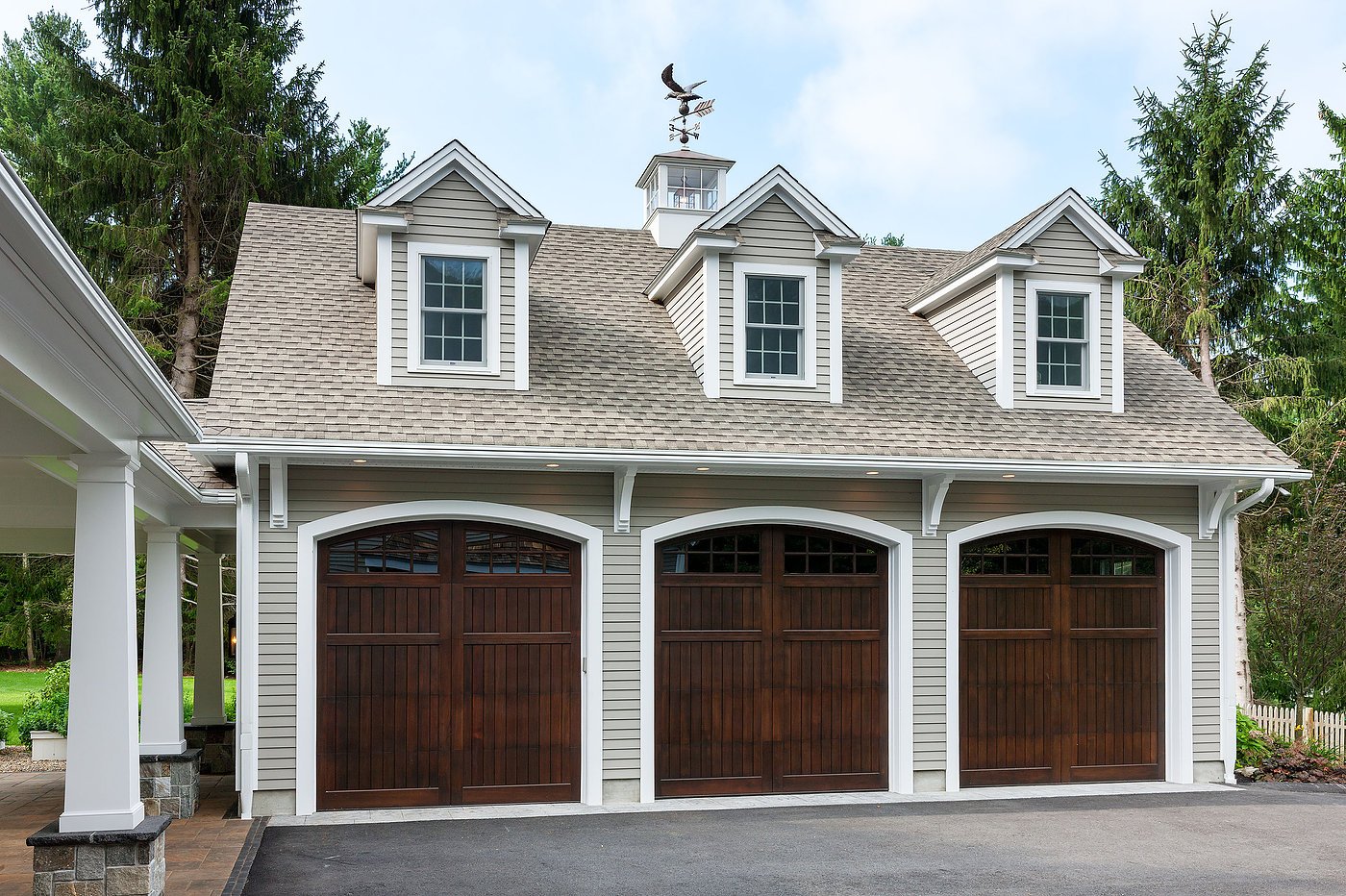
Most of the families we work with arrive at the same crossroads for familiar reasons. The household is growing. There is never quite enough storage. There is nowhere comfortable to gather when everyone is home at once. Here in New England, the situation is often compounded by the housing stock itself. Garages in many older homes were built for a different era of automobiles and now serve as overflow storage, which pushes cars into the weather and belongings into the living space.
None of these pressures demand an immediate answer. But left alone, they tend to compound, and the home slowly stops fitting the life inside it. When that happens, homeowners generally find themselves weighing three paths: buy a different house, remodel the space they already have, or build an addition.
Move, remodel, or build on
Sometimes the cleanest answer is to move. If you find an existing home that checks every box in a neighborhood you love, that is a genuinely good outcome. You get the bedrooms, the gathering space, and the garage without living through construction. Buying carries its own weight, though. A move costs a great deal in time, money, and general upheaval, and even a well-suited house usually needs a few remodeling projects of its own before it feels like yours. In the persistent seller's market along coastal New England, finding the right home can take a year or more, and a low mortgage rate secured years ago is hard to walk away from when current terms are far less forgiving.
Remodeling the space you already own is the second path, and often an underrated one. An unfinished basement, a walk-up attic, or a poorly arranged main floor can hold more potential than homeowners realize. Home remodeling of this kind reworks a floor plan, relocates a kitchen, or removes a wall to improve how a home lives without adding a single square foot. Compared with building on, this kind of home remodeling is generally less expensive, moves faster, and clears fewer permitting hurdles. The tradeoff is that your choices are bounded by the existing structure, and home renovations within four fixed walls may not fully solve the need that started the conversation.
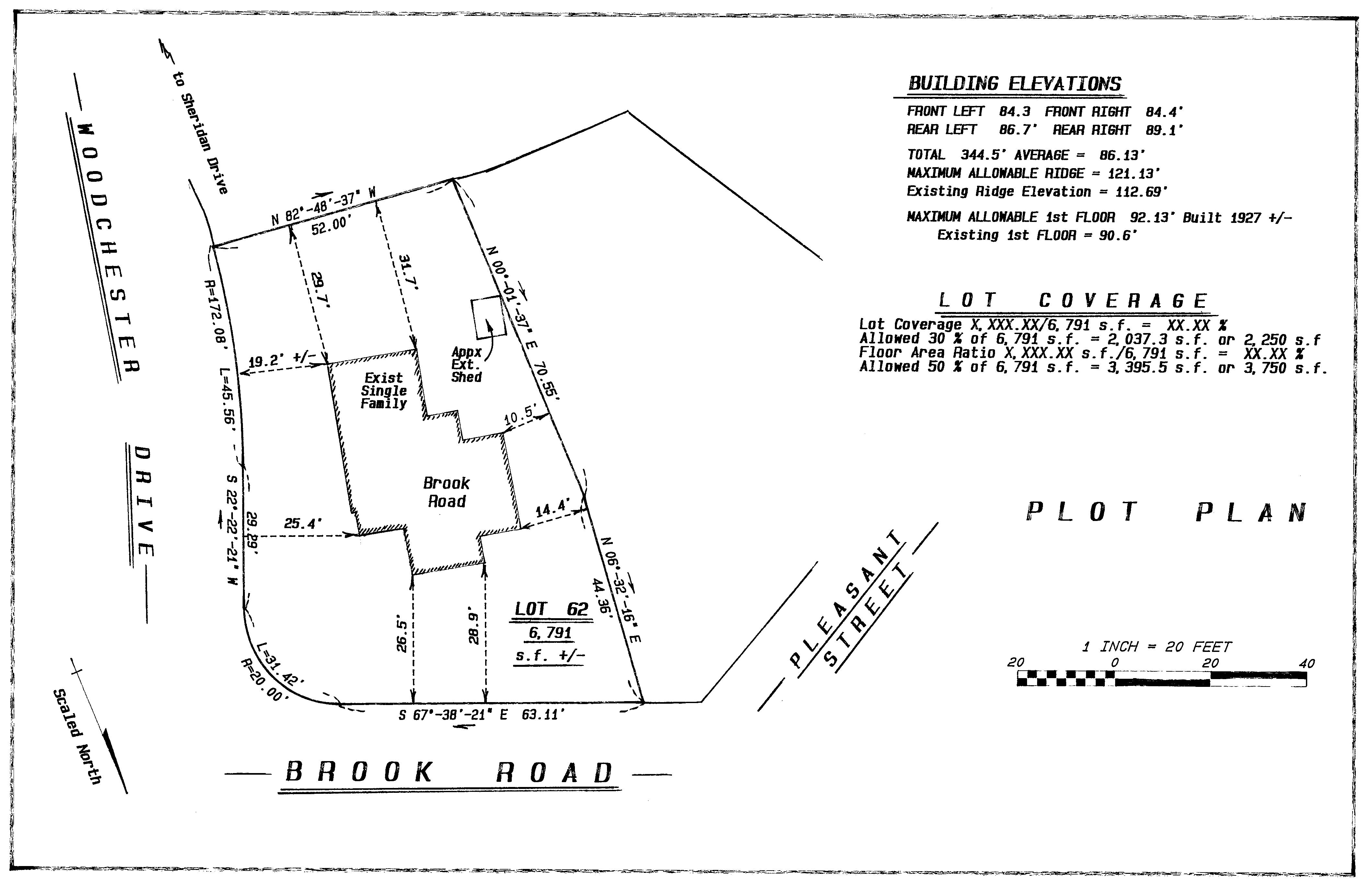
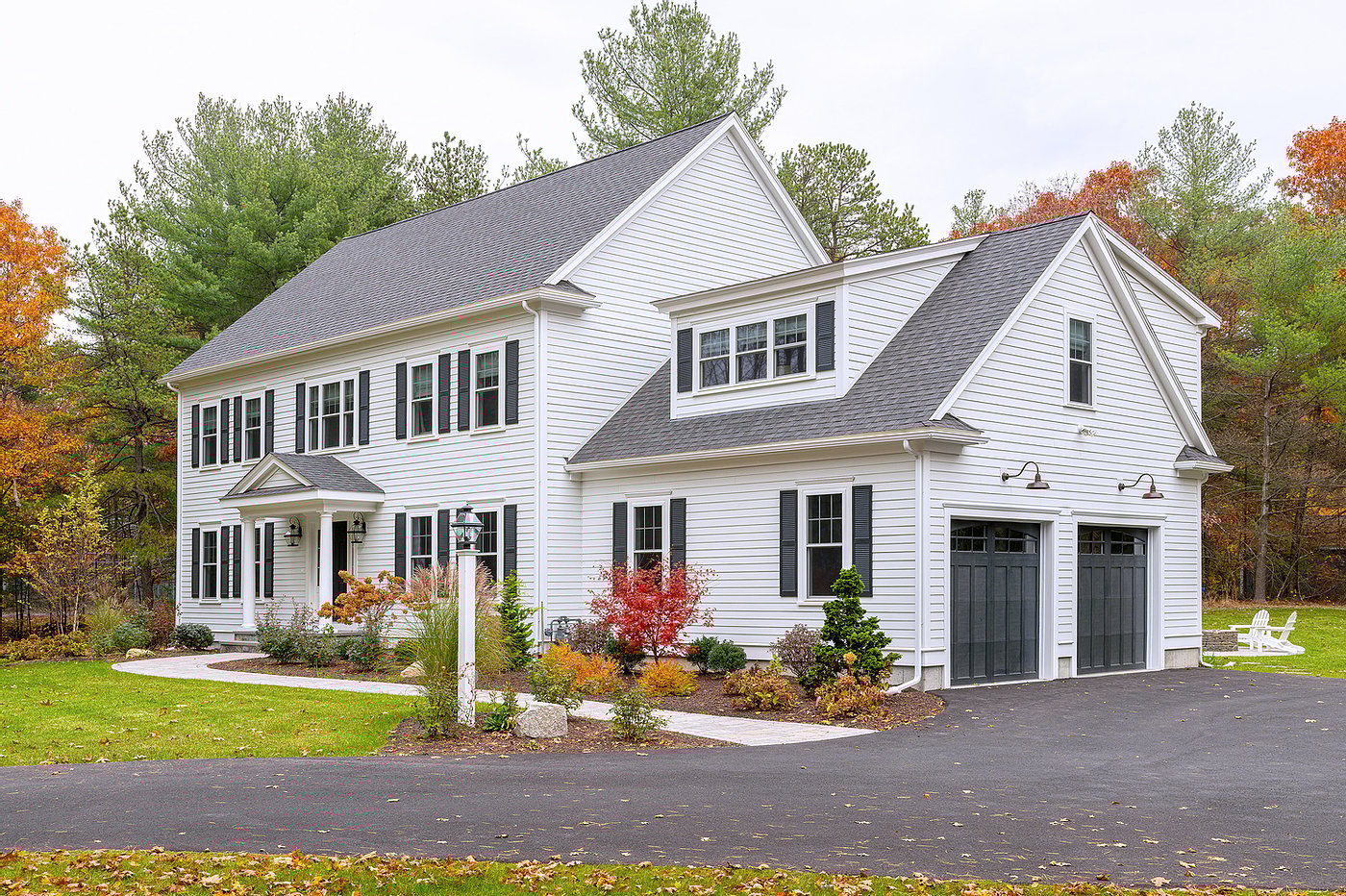
Sometimes moving really is the only reasonable option. Consider a young family on a small lot of roughly 7,000 square feet. The location is good, but the yard space is tight and there is no garage. Building on could add a two-car garage with a primary suite above it, yet the must-have list is simply larger than the home can hold. In a case like that, finding a home that fits makes more sense than forcing an addition. Every home and family is different, and the right answer follows from your own circumstances.
What an addition can give you
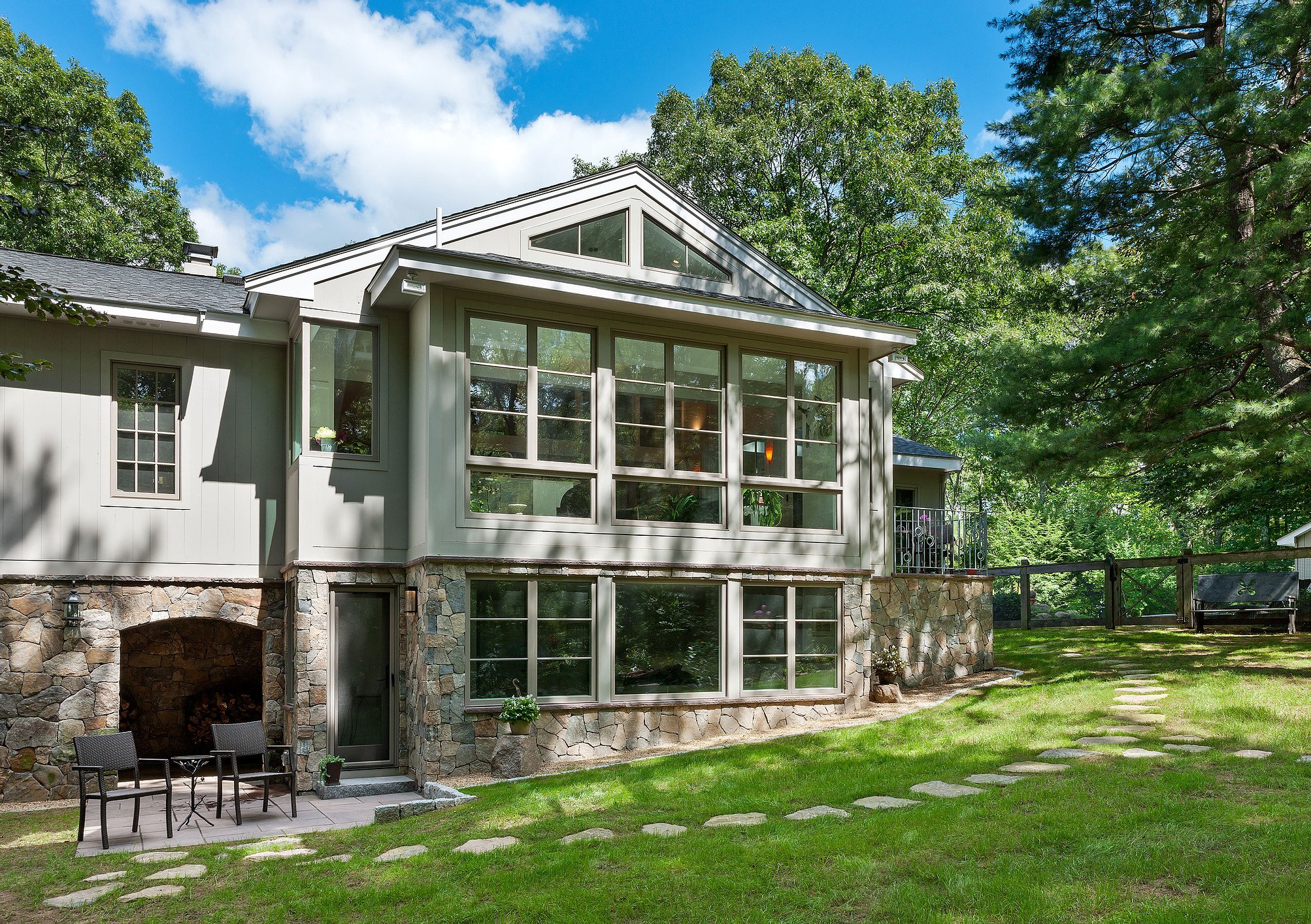
When staying and building on does make sense, it helps to be clear about what you actually need, because "addition" covers a wide range of projects. A modest room addition might add a first-floor family room or a home office for the two people now working from the kitchen table. A bathroom addition can relieve the daily congestion of a single full bath serving a full household. Growing families often need an extra bedroom, while empty nesters more often want a main-level primary suite that lets them stay in the home comfortably for years. Others are after something particular, a sunroom for the light or a home gym so the workout stops competing with the guest room.
Where the lot is tight, the question becomes whether to build up rather than out. A second-story addition adds square footage without giving up yard space, but building up depends on whether the home's existing framing and foundation can carry the added load. That structural question is one of the first a builder will look at, and it is exactly the kind of tradeoff our guide on building up versus building out walks through.
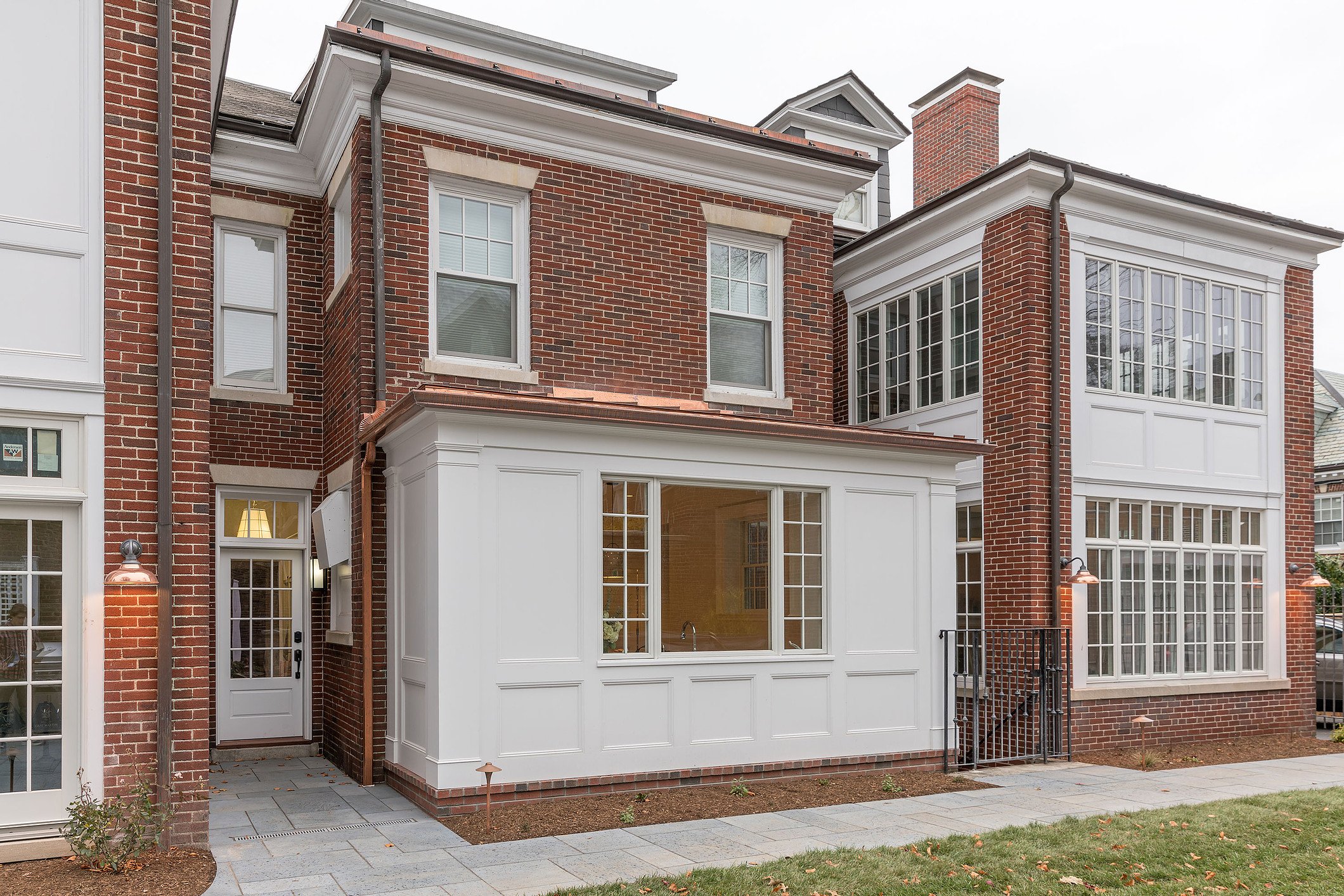
Whatever form it takes, an addition also has to connect cleanly to the home you already have. New space means extending plumbing and electrical service, tying into or upgrading the HVAC system, and bringing the insulation up to the standard of the rest of the house. Homeowners rarely picture this part, but it is where much of the real work lives, and where experience separates house additions that feel original to the home from ones that always feel added on. Naming what you need first is what keeps the rest of the project grounded.
Does a home addition add value?
For many homeowners, the real question behind "is a home addition worth it" is whether the money comes back. It is a reasonable thing to ask, and the honest answer has two parts.
A well-planned addition can meaningfully increase home value, and certain projects deliver a stronger return on investment than others at resale. Added square footage, an additional bathroom, and a primary suite generally lift a home's resale value, and work that improves curb appeal contributes as well. It is worth folding in the smaller costs too. Home addition costs vary with scope and finishes, and a larger, more valuable home can raise your property taxes, which belongs in the plan rather than surfacing as a surprise later. The return that shows up on an appraisal, though, is only ever half the story.
The greater value of an addition is usually the long-term value of living well in a home you already love. If this is your forever home, an addition is a chance to fix what has never quite worked and to build space you will use every day for years. That is a return that never appears in a home value estimate, and for the right homeowner it is the one that counts most.
So, is a home addition worth it?
The answer depends less on the house than on the fit between the house and the life you want to live in it. If you love where you live, if the neighborhood is right, and if the home's bones can support the space you need, an addition is often the most rewarding path. If your must-have list has outgrown what the lot or structure can give, moving may be the wiser choice. Neither answer is wrong. What matters is that you understand your options clearly before you decide.
That clarity is easier to reach with an experienced guide. Depending on the project, you might work with an architect to design the space and a general contractor to build it, or a single design-build firm that holds both roles under one roof. Who you choose as a partner to build the addition shapes the entire experience, from the first sketch through zoning, permits, and the final walkthrough. A good design-build firm helps you weigh the tradeoffs honestly, so the decision you reach is one you will still feel good about years from now.
To think through your own situation, download our free eBook, Home Additions 101: How to Plan a Home Addition That Perfectly Meets Your Family Needs. And when you are ready to talk through what might be possible in your home, we invite you to schedule a home renovation discovery session.